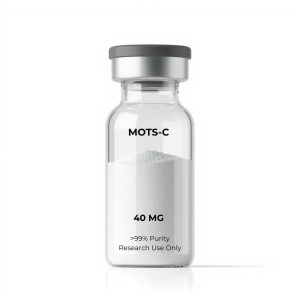

Semaglutide Research Peptide — GLP-1 Receptor Agonist
Semaglutide is a GLP-1 (glucagon-like peptide-1) receptor agonist with a modified amino acid sequence designed to extend its half-life relative to endogenous GLP-1. It is one of the most extensively characterized peptides in metabolic disease research, with a large volume of published clinical and preclinical literature documenting its receptor binding profile and downstream signaling effects.
Mechanism of Action
Semaglutide binds to the GLP-1 receptor, a G protein-coupled receptor expressed in the pancreas, hypothalamus, and gastrointestinal tract. Activation of the GLP-1 receptor pathway influences insulin secretion, glucagon suppression, gastric motility, and appetite-regulating neural circuits. The structural modifications in Semaglutide — including a C18 fatty acid chain attached via a linker — extend plasma half-life by promoting albumin binding and reducing renal clearance.
Research Overview
Semaglutide has been studied in numerous large-scale clinical trials examining glucose metabolism, cardiovascular outcomes, and body weight regulation. Its well-characterized mechanism and established pharmacological profile make it a reference compound in GLP-1 receptor research.
Product Details
Format: Lyophilized powder | Purity: >99% | Testing: Third-party HPLC and MS verified | Packaging: Sterile sealed vial | Multiple dosages available | Pricing from $19.99 per vial
Storage Instructions
Store lyophilized powder in a cool, dry place. Refrigerate after reconstitution at 2–8°C. Protect from light.
Semaglutide is intended for research use only. Not for human or veterinary use. Not intended to diagnose, treat, cure, or prevent any disease.